
Movement & Mindfulness for Mental Health
Rose Wippich | MAY 8, 2021
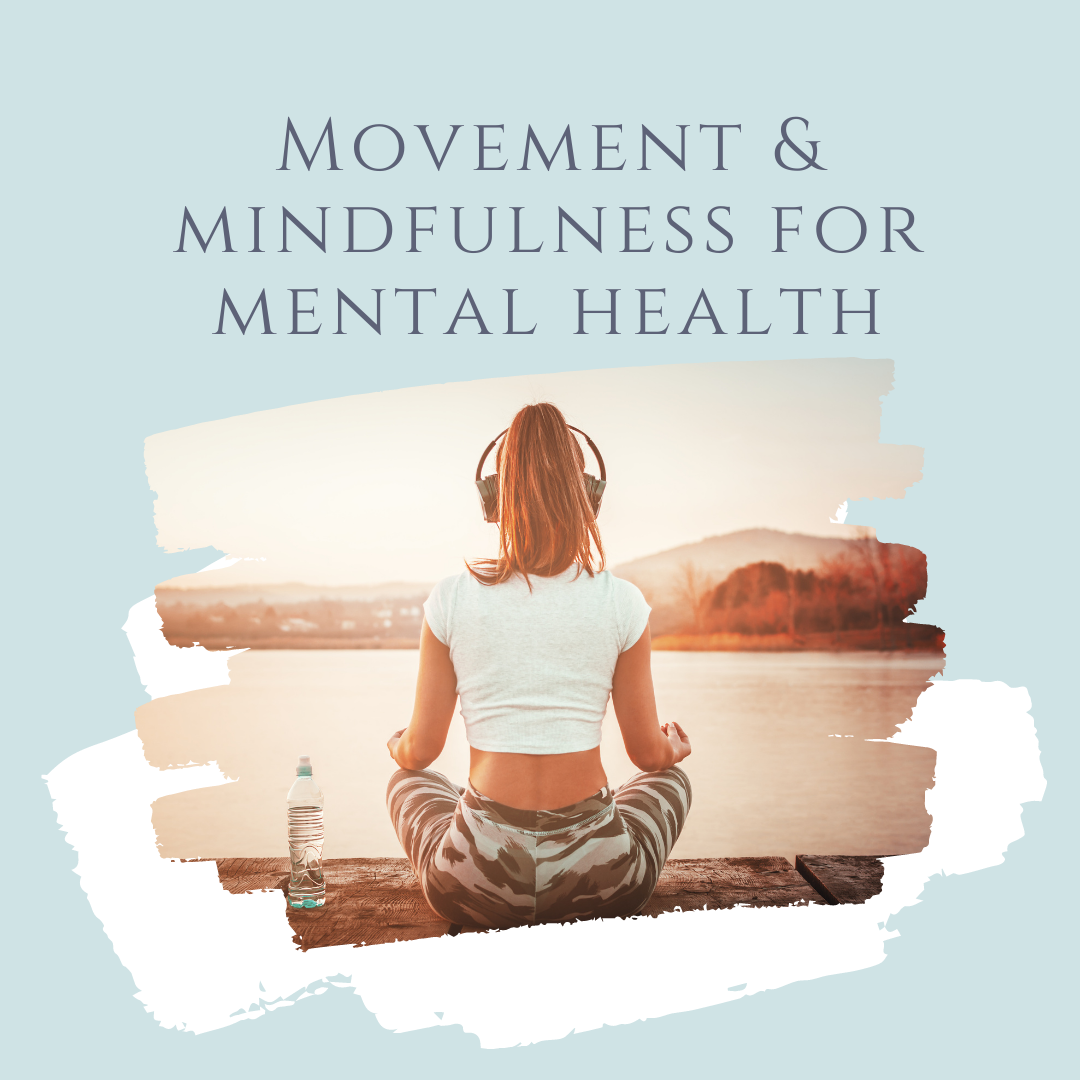
May is Mental Health Awareness Month. Mental health includes our emotional, psychological and social well being. It effects how we think and act and how we handle stress and challenging things that may occur in our lives. It’s a state of well-being, of harmony within.
Our mental state can change throughout our lives depending on the circumstances. Illness, stress, death of loved ones, loss of job, pandemic - all of these can effect the state of our own mental health. Recognizing when we have tipped the scale to a point of not being able to cope is when we must pull out the tools needed to help us manage what we are experiencing.
Which brings me to Yoga. Yoga was something wanted to try at a time in my life when I wasn't feeling very well physically and mentally. What I discovered, with a regular practice, is that it changed me. I became resilient to negative circumstances and strong enough to climb out of any situation that wasn’t right in my life. I owe a lot of that to the mind and body connection that yoga gave me. It began a healing process within me.
If you already have a yoga practice what do you think is the intention behind it? When you first began was it to feel better physically and being energy into your life? To create stamina, stability and strength? Yes! Absolutely. A consistent yoga practice provides all of those benefits. However there is more.
'Yoga is like my Glass of Red Wine'
Lately I’ve been hearing from many of my students and those who practice yoga that it’s more for their ‘head’ - for their mind - for tranquility and peace of it. One of my students recently said to me that ‘Yoga is like my glass of red wine’. After a long day or weekend she looks forward to my class as a way of restoring her mind, body & soul.
The mind is constantly chattering and throughout one day we can go through thousands of thoughts. Some of these thoughts can trigger emotions. Thoughts also have energy and if our thoughts are negative there is a chance that negative situations manifest. The constant struggle to tame the mind or stay ‘level headed’ as we navigate through life’s journey can be tough at times. If we don’t attend to our mental health the imbalances of energies can create imbalance within us. Physically, not just mentally. We can teter back and forth from glad to sad or go to the brink of mental destruction if gone ignored. Our mental health can be very fragile. Especially now, with feelings of isolation due to the pandemic.
How do we create that calmness in the mind.
Professional help is always an option. Especially if one finds it difficult to take steps towards identifying ways to help themselves. Seeking professional help is their first step. There have been several points in my life where I’ve had to speak to a professional who would provide some solutions. There was comfort in that sacred space. It was during during one of those that yoga was suggested which changed my life.
Movement, whether it’s yoga, qigong or walking, will move stagnant energies within us so that we can create harmony inside. We move, stretch and strengthen our muscles and create balance within and without. Mental calmness is a byproduct of the movement. On the flip side, if a person feels good emotionally and wants to take care of themselves physically, they’re making the choice to move their body in an effort to strengthen and stabilize it. Either way it’s a win-win.
Another benefit of a consistent movement practice is that it helps us to become 'in tune' with ourselves. An 'awareness' to our physical sensations and limitations, our mental (conscious and unconscious evaluation) and our awareness to energy. Although energy is nothing new and always in and around us, having an awareness to how we ‘feel energetically’ can be an indication of how we feel in both body and mind - collectively.
I recently participated in a training on Trauma Conscious Yoga that was created for people in the military who have PTSD (Post Traumatic Stress Disorder). I learned that many people (military or not) may have suffered extreme trauma in their lives and show symptoms of PTSD. Individuals with PTSD may not be able to feel sensations in their body. There isn’t proprioception - a perception or awareness of the sensations and movement of their body. A consistent yoga practice, using the right environment and cues has helped many people reconnect with these sensations and has helped them to create a more balanced and tranquil mental state.
Taking care of our mental health is as important as eating. We don’t skip meals. In fact, we probably use a lot of our energy deciding what we want to eat and where we want to eat. Setting aside time to pause throughout the day and to check into our energy or mental state is just as important. Tuning into how the body and mind are feeling can help us to redirect our attention to what is needed for our well being. Whether it’s movement or a 10 minute meditation, ultimately we benefit by creating a state of homeostasis - a balance or harmony within.
Mental Health Checklist:
- Get lots of rest (8 hours of sleep is preferred)
- Turn off devices an hour before bed
- Give yourself a break from Social Media
- Move your Body
- Pause throughout the day and ‘check in’. Ask yourself 'How do I feel?'
- Take a 10 minute stillness break and focus on your breath
- Or repeat an affirming mantra
- Reach out to someone and have a conversation if you’re feeling isolated
- Think about something you’re grateful for on a daily basis.
Rose Wippich | MAY 8, 2021
Share this blog post
 OfferingTree